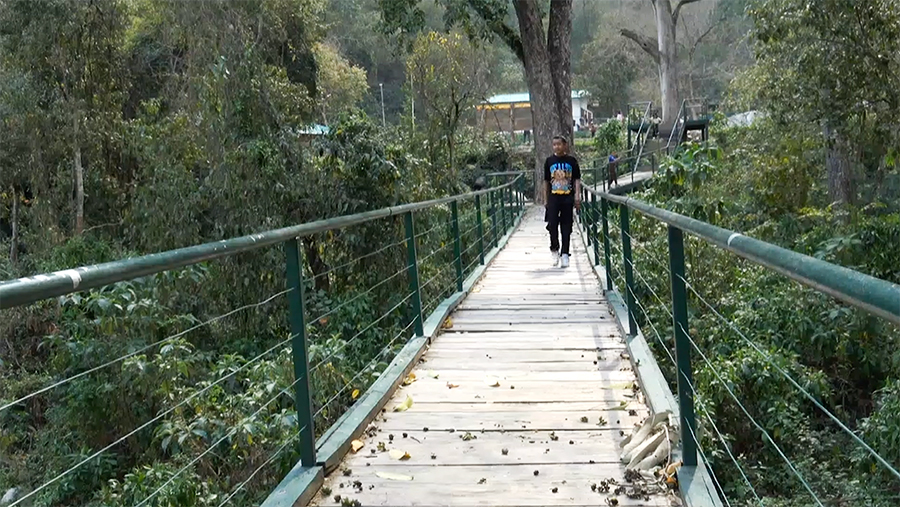
Nestled in the verdant forests of Saling Gewog, just five kilometers from the East-West Highway, Rechanglu Nature-based Recreational Park represents a groundbreaking fusion of environmental conservation, youth entrepreneurship, and community wellness. This five-acre sanctuary in Monggar District has rapidly become Eastern Bhutan’s premier destination for nature-based recreation, attracting local families, students, and adventure travelers seeking an authentic Himalayan experience.
What sets Rechanglu apart is not just its stunning riverine landscapes or adventure activities—it’s the innovative management model that places five young entrepreneurs from Masang-Daza village at the helm of operations. Since its inauguration in 2023, this UNDP-funded eco-tourism project has generated approximately 60,000 Ngultrum monthly while providing Eastern Bhutan with much-needed modern leisure infrastructure.
The Strategic Location: Why Saling Gewog Matters for East Bhutan Travel
For travelers exploring the eastern circuit of Bhutan, Monggar District has historically been a waypoint rather than a destination. The decentralization of tourism infrastructure in Bhutan faced significant challenges in the eastern dzongkhags due to rugged topography and limited facilities. Rechanglu changes that narrative entirely.
Located in Saling Gewog below the main East-West Highway, the park benefits from exceptional accessibility while maintaining the seclusion that eco-conscious travelers crave. The site sits at the convergence of subtropical valleys and high-altitude mountain passes, including the famous Thrumshing La Pass. This geographic diversity creates a unique microclimate supporting broad-leaved evergreen forests and rich riparian ecosystems—ideal conditions for year-round outdoor recreation.
Key geographic advantages include:
Strategic proximity to Zhongar Dzong ruins and the Trans Bhutan Trail, which reaches elevations up to 2,400 meters in connected sections. Only five kilometers from Saling Gewog Center, making it easily accessible for day trips. Situated along a scenic river that provides natural cooling and therapeutic soundscapes. Forest canopy coverage that supports biodiversity while offering shade during warmer months.
Adventure Activities: From Himalayan Zip Lines to Forest Trails
Rechanglu delivers a comprehensive adventure portfolio rarely seen in Eastern Bhutan. The park’s infrastructure strikes a careful balance between adrenaline-inducing activities and contemplative nature experiences.
Zip Line Adventures in Monggar
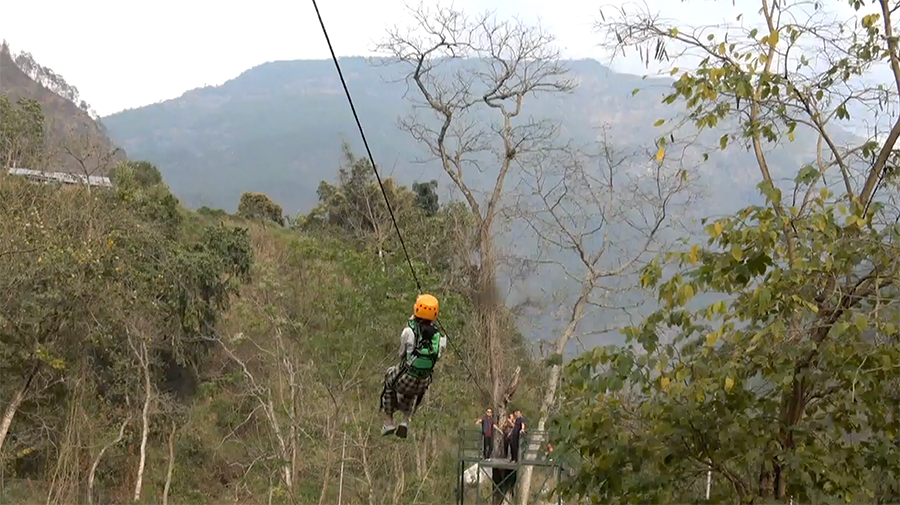
The park features one of the first zip lines in Monggar District—a significant addition for a region where adventure sports have traditionally been concentrated in Western Bhutan. The zip line is integrated directly into the forest canopy, providing riders with breathtaking aerial views of the river valley while maintaining minimal environmental impact. With nominal pricing, the activity is accessible to students and families, democratizing adventure tourism in a way that’s rare in the Himalayas.
Cycling and Trekking Trails Through Pristine Forest
The park’s trail network serves dual purposes as footpaths for leisurely forest strolling and routes for mountain biking. This multifunctional design allows Rechanglu to accommodate varying visitor volumes without creating congestion. Bicycle rentals are available at the park, making it a popular weekend destination for students from local schools seeking physical activity and stress relief.
During the dry season (September through May), these trails offer crisp visibility and excellent conditions for trekking. The monsoon months require more intensive maintenance, but the lush vegetation during this period creates a dramatically different aesthetic that appeals to photography enthusiasts and nature lovers.
Eco-Camping in Bhutan: Campfires and Riverside Sites
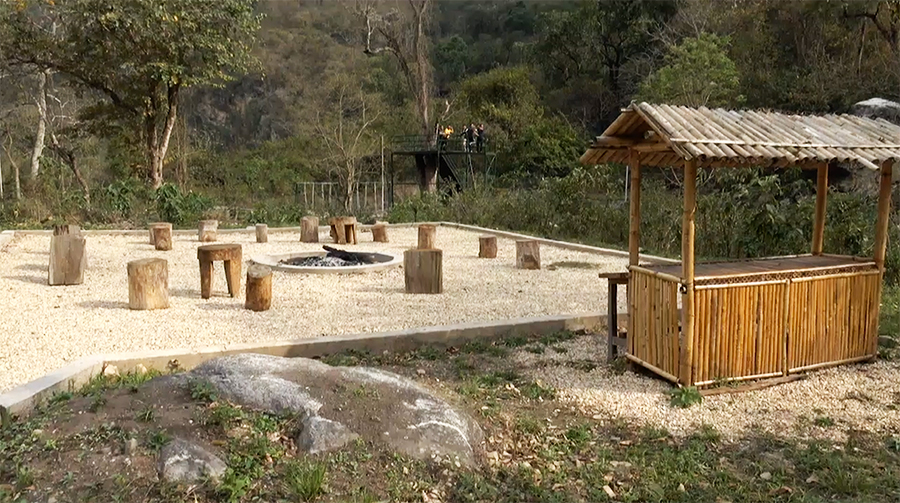
For overnight visitors, Rechanglu offers camping facilities with designated campfire areas—adhering to stringent fire safety protocols given Saling Gewog’s history with forest fires. The camping experience follows Leave No Trace principles, setting a standard for sustainable tourism in the region. The riverside location provides a therapeutic auditory backdrop, while the forest canopy offers natural shelter and temperature regulation.
Traditional Hot Stone Bath (Menchu): Bhutanese Wellness Tourism
Among Rechanglu’s offerings, the traditional hot stone bath stands as the most culturally significant. The Menchu represents centuries of Bhutanese therapeutic practice, bridging the gap between recreation and traditional medicine.
The Ancient Art of Bhutan Hot Stone Bath
The Menchu process is meticulous and ritualistic. Large river stones are carefully selected for their heat retention properties and resistance to cracking. These stones are heated in an open fire until they reach a glowing red-hot state, then transferred to a wooden bathing chamber. The stones are placed in a separate compartment divided from the bather by a perforated wooden screen, allowing heat transfer without direct contact.
The bathwater is traditionally infused with Artemisia (wormwood) leaves, releasing essential oils believed to treat joint pain, skin conditions, and various internal ailments. In Monggar’s rural communities, particularly in nearby villages like Silambi and Nagor, hot stone baths have been used for generations to address conditions ranging from stomach aches to goitre.
By offering this service, Rechanglu preserves an important element of Bhutanese intangible heritage while tapping into the global wellness tourism market. For international visitors, it’s an authentic cultural experience; for locals, it’s accessible traditional healthcare integrated into a modern recreational setting.
Youth Entrepreneurship Model: The Masang-Daza Success Story
Rechanglu’s most innovative feature isn’t visible in its infrastructure—it’s the management model that empowers local youth as eco-entrepreneurs.
Five Young Managers Transforming Rural Employment
The park is operated entirely by five young entrepreneurs from Masang-Daza village, who oversee every operational aspect from facility maintenance to cafeteria management. This group collectively earns approximately 60,000 Ngultrum per month—a substantial income in a rural context that demonstrates tourism’s viability as a professional career path.
This model directly addresses Bhutan’s challenge of rural-to-urban migration by creating sophisticated, high-value employment opportunities in the gewogs. The Monggar Dzongkhag Administration provides oversight and periodically opens management contracts for competitive bidding to ensure operational excellence and give other local youth opportunities to participate.
Financial Sustainability Through Community Tourism
The park operates on a self-sufficient financial model. Entry fees range from 10 to 20 Ngultrum, with additional charges for activities like bicycle rentals and zip line rides. Five percent of total revenue is remitted to the government as royalty, while the remainder supports the youth managers’ livelihoods and park maintenance.
This circular economy ensures the infrastructure doesn’t rely on constant state subsidies—a critical factor for scalability. The model proves that nature-based recreation can be both ecologically responsible and economically viable, providing a blueprint for other rural communities across Bhutan and the Himalayan region.
UNDP GEF Eco-Tourism Project: International Funding for Local Impact
Rechanglu’s development represents significant international investment in sustainable tourism. The project was realized through funding from the United Nations Development Programme via the Global Environment Facility (GEF) Eco-Tourism initiative, with a total project cost of approximately 11 million Ngultrum.
| Project Component | Amount (Ngultrum) |
| Total Project Cost | 11,000,000 |
| Initial Construction Tender (2023) | 7,380,000 |
| Monthly Revenue (Youth Management) | 60,000 |
| Government Royalty Percentage | 5% of total income |
This funding reflects a broader international commitment to sustainable development and biodiversity conservation in Bhutan. The GEF views recreational parks not merely as leisure spaces but as educational buffer zones that foster public environmental stewardship while supporting carbon sequestration goals—critical for maintaining Bhutan’s carbon-negative status.
Community Impact: A Third Space for Monggar Families
Beyond economic metrics, Rechanglu’s most profound impact lies in its role as a community gathering space—what sociologists call a “third space” distinct from home and workplace.
Accessible Leisure for Rural Communities
For residents like Sonam Choden, a farmer from Ngatshang Gewog, Rechanglu represents a sanctuary from intensive agricultural labor. Before the park’s establishment, Monggar District had few dedicated spaces where families could enjoy structured leisure in a safe environment. The park’s river views, affordable hot stone baths, and cafeteria services provide stress reduction and family bonding opportunities previously unavailable.
Student Wellness and Physical Health
Local students have emerged as one of the park’s primary user groups, utilizing the cycling trails, zip line, and open spaces for physical activity and social interaction. In an era of increasing academic pressure, Rechanglu offers an essential outlet for mental well-being and stress relief—particularly during weekend visits when student groups arrive from nearby schools.
Visitor Categories and Impact
| Visitor Category | Primary Activities | Impact |
| Local Farmers | Family meals, river views, hot stone baths | Stress reduction, affordable leisure access |
| Students | Cycling, zip line, social interaction | Physical health, mental well-being |
| Trekkers/Tourists | Camping, campfires, trail exploration | Economic contribution to gewog |
| Local Youth | Management, cafeteria operations | Professional skills, economic independence |
Sustainable Tourism in Bhutan: Environmental Stewardship at Rechanglu
Operating a recreational park in Monggar’s forested terrain requires proactive environmental management. Rechanglu’s design philosophy prioritizes minimal ecological impact while maximizing visitor experience.
Nature-Based Construction and Materials
All facilities utilize nature-based materials—primarily wood and stone—minimizing aesthetic and ecological disruption. The zip line and canopy seating are integrated directly into existing trees rather than requiring forest clearing. This approach preserves the broad-leaved evergreen forest and riparian flora that benefit from Monggar’s significant annual rainfall.
Fire Safety and Risk Mitigation
Saling Gewog has historically faced challenges with forest fires, making fire safety protocols critical. While the park offers popular campfire services, stringent safety measures are maintained. The management balances visitor desires for traditional camping experiences with the ecological responsibility of protecting the five-acre forest, which contributes to Bhutan’s national carbon sequestration goals.
Leave No Trace Principles
Rechanglu adheres to Leave No Trace ethics—a staple of Bhutanese camping culture. The park’s waste management system ensures that its nature-based identity remains authentic. As a protected five-acre forest, the site actively contributes to maintaining Bhutan’s status as one of the world’s only carbon-negative countries.
Best Time to Visit Rechanglu and Seasonal Considerations
Understanding Monggar’s climate patterns helps visitors optimize their Rechanglu experience.
Autumn and Spring: Peak Conditions (September-November, March-May)
The autumn months following the monsoon offer crisp visibility and dry trail conditions—ideal for camping, trekking, and cycling. Spring brings blooming orchids and endemic plant species, attracting nature photographers and bird-watchers. These seasons provide the best conditions for the full range of park activities.
Monsoon Season: Lush but Challenging (June-August)
Heavy rainfall characterizes the summer monsoon, particularly in southern Monggar zones. While the park remains a lush retreat during this period, trekking and cycling trails require more intensive maintenance. However, the dramatic increase in forest greenery and river flow creates unique photo opportunities for visitors who don’t mind occasional rain.
Winter: Quiet Season with Hot Stone Bath Appeal (December-February)
Winter sees reduced visitor numbers but offers a more intimate experience. The traditional hot stone bath becomes particularly appealing during cooler months, providing therapeutic warmth. Clear winter skies also enhance visibility for photographers and trekkers.
Rechanglu vs. Chang Yul Park: Urban and Rural Recreation Models
To understand Rechanglu’s significance, it’s instructive to compare it with Chang Yul Park in Thimphu—Bhutan’s capital city.
Chang Yul Park, a royal initiative along the Wangchhu River, represents urban green space development with sophisticated infrastructure including EV charging stations, mobility hubs, and intricate timber galleries. It serves Thimphu’s dense population with manicured landscapes and modern amenities.
Rechanglu, by contrast, emphasizes raw ecological experience—forest strolls, river views, and traditional wellness practices. Both parks share common DNA: they’re nature-based developments prioritizing native plant species and sustainable materials. The comparison reveals a national strategy of tailored recreational models: high-tech urban parks for the capital, and authentic eco-tourism experiences for rural gewogs.
This diversification ensures that both urban residents and rural communities have access to quality leisure infrastructure appropriate to their contexts—a sophisticated approach to inclusive national development.
Planning Your Visit: Practical Information for Travelers
Getting to Rechanglu Nature Park
Rechanglu is located five kilometers from Saling Gewog Center in Monggar District. The park sits below the East-West Highway, making it accessible for travelers journeying through Eastern Bhutan. Most visitors arrive via the main highway, with signage directing to the forest entrance.
Entry Fees and Activity Costs
Entry fees range from 10 to 20 Ngultrum—remarkably affordable even by local standards. Additional nominal charges apply for bicycle rentals, zip line rides, and hot stone bath services. The pricing structure makes Rechanglu accessible to families, students, and budget-conscious travelers while generating sufficient revenue to sustain operations.
Amenities and Services
The park features an on-site cafeteria managed by the youth group, providing meals and refreshments. Camping equipment and bicycle rentals are available. The traditional hot stone bath facility accommodates individual visitors and families. All facilities are maintained using sustainable practices and nature-based materials.
Future Development: Scaling the Rechanglu Model Across Eastern Bhutan
Rechanglu’s success over its first two years provides a proven blueprint for replication. As the only facility of its kind in Monggar District, it holds unique market positioning while demonstrating scalable opportunities.
Ecological Education and Research Expansion
Given Saling’s rich biodiversity—including rare orchids and endemic species that bloom in spring—the park could develop interpretive trails and nature classrooms. This would broaden appeal beyond recreation to include researchers, botanists, and bird-watchers already frequenting the Trans Bhutan Trail. Educational programming could partner with the College of Natural Resources in Bhutan to create field research stations.
Sustainable Infrastructure Upgrades
While maintaining its low-impact design, minor enhancements could improve visitor experience. Small-scale solar panels or micro-hydro solutions could provide sustainable power for the cafeteria and evening lighting. Limited Wi-Fi hubs would enable visitors to share experiences on social media, creating organic marketing. Accessibility features—similar to those at Chang Yul Park—could ensure inclusivity for visitors with disabilities.
Regional Blueprint for Rural Tourism Development
Rechanglu demonstrates that eco-tourism can be professionalized and profitable without sacrificing environmental integrity. Other gewogs throughout Eastern Bhutan—and across the Himalayas—can adapt this model: UNDP/GEF funding for infrastructure, youth management for sustainability, and cultural integration for authenticity. The success proves that the most effective development path combines ecological stewardship, community engagement, and heritage preservation.
Conclusion: Why Rechanglu Matters for Himalayan Tourism
Rechanglu Nature-based Recreational Park represents far more than a leisure destination. It’s a landmark achievement demonstrating how international funding, local governance, and youth entrepreneurship can converge to create sustainable economic opportunity while preserving environmental and cultural heritage.
For Eastern Bhutan, Rechanglu addresses the historical infrastructure gap that relegated the region to a waypoint status. For Monggar District, it provides families, students, and visitors with a structured space for wellness and recreation. For the five young entrepreneurs from Masang-Daza village, it offers professional development and economic independence previously unavailable in rural gewogs.
The park’s integration of modern adventure activities—zip lines, cycling trails, camping—with traditional wellness practices like the hot stone bath creates a uniquely Bhutanese experience. This synthesis appeals to both domestic visitors seeking affordable leisure and international travelers pursuing authentic eco-tourism.
As Rechanglu continues evolving and professionalizing its operations, it serves as the primary blueprint for expanding nature-based tourism throughout Eastern Bhutan and potentially across the Himalayan corridor. The facility proves that sustainable development in mountain regions succeeds when it’s rooted in ecological stewardship, community empowerment, and deep respect for cultural heritage.
For travelers planning their Bhutan itinerary, Rechanglu offers an essential stop: a chance to experience how modern conservation funding transforms into tangible community benefit, where adventure meets tradition, and where Eastern Bhutan’s potential as a tourism destination finally materializes.


